Listening Before Building: What Community-Led Museums Make Possible
Ro Nwosu | FEB 13
museum
case study
arnprior
decolonization
history
Listening Before Building: What Community-Led Museums Make Possible
Ro Nwosu | FEB 13
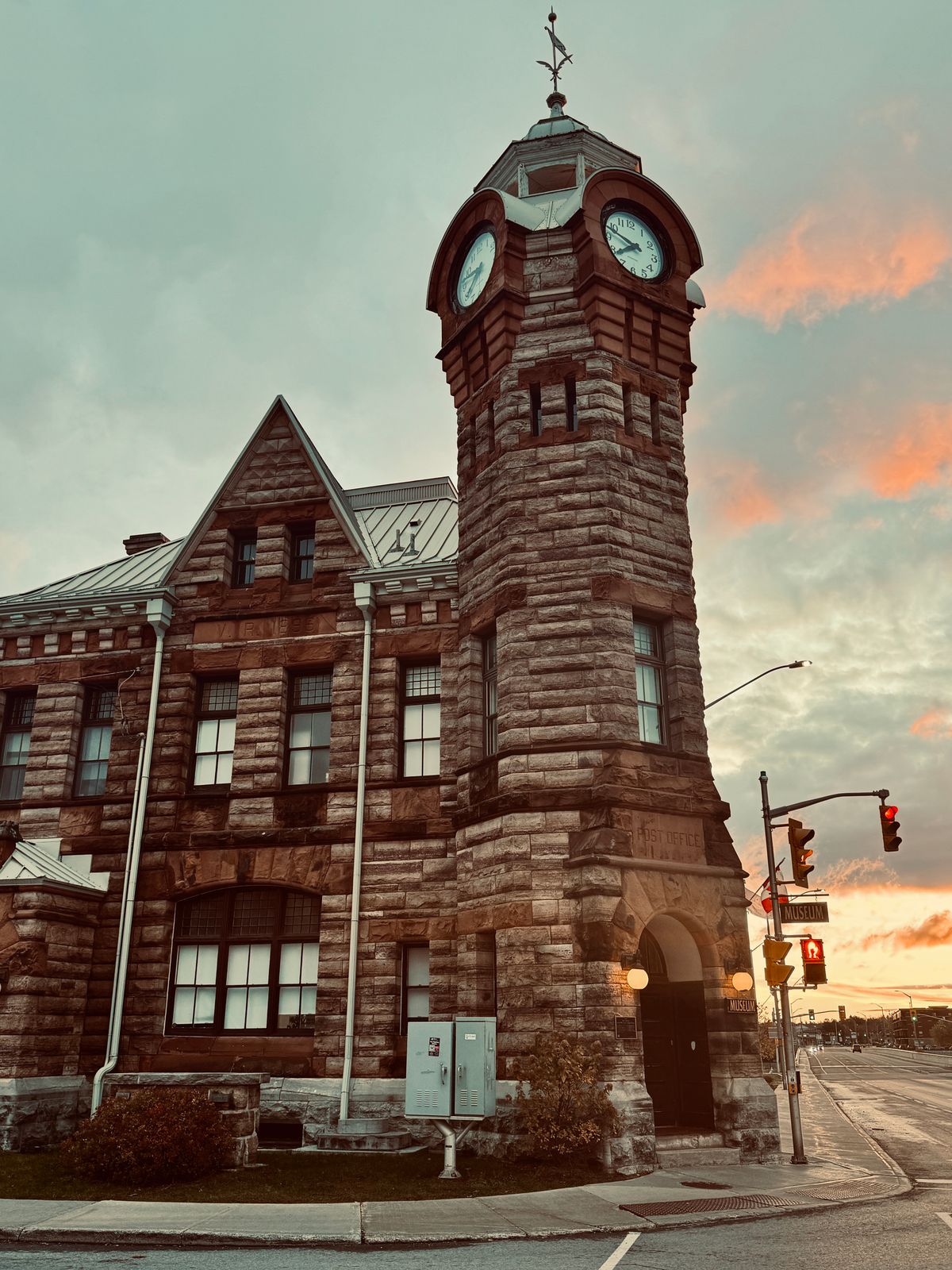
Museums often carry the weight of preservation. They hold stories, artifacts, and memories that matter, which don't always guarantee connection.
In many small towns, museums struggle with the same quiet question. How do we remain relevant to the people who live here now and as the place grows?
When I began the consultation process with the Arnprior & District Museum, the answer was not found in new displays or clever programming ideas. It started with listening. I spoke with community members who visited often and those who had never walked through the doors. I asked about accessibility, clarity, comfort, and curiosity from the viewpoint of another, to build empathy into expansion. I listened to what felt welcoming and what felt distant. Patterns emerged quickly. People wanted spaces that felt alive. They wanted to see themselves reflected. They wanted reasons to return, not just once, but again and again. They wanted more communication and connection.
This is where many institutions feel pressure to act fast. To build something new. To refresh branding. To add programming without first understanding the gap it is meant to fill. I really feel like Emily Stovel, Manager of Culture and Curator understood this way before she reached out to consultants including myself.
The planning process slowed down. Listening sessions, surveys, and conversations became the foundation. From there, a different vision took shape. One where the museum could function as a gathering space, not just a display space. A place for workshops, wellness, storytelling, and rotating exhibits shaped by the community itself. A vision and also talking points to discuss with the township and within their own team.
Community-curated exhibits do more than diversify content. They shift ownership. They say this history belongs to you. This space belongs to you too.
The conversations that focused on seeing yourself from someone else's shoes It was about recognizing that learning, reflection, and care are connected. Which I really think is super cool and goes beyond colonial ways of thinking.
I also believe this is an intuitive way forward that honours the museum’s role as a steward of history while inviting it to grow alongside the community it serves. Institutions do not lose integrity by evolving. They gain trust.
When people feel heard, they show up. When spaces feel relevant, they are used. When planning begins with listening, the result is not just better programming, but deeper belonging.
That is what empathy focused museums make possible.
Download The Case Study Here
Ro Nwosu | FEB 13
Share this blog post
© 2026 WildRoga